
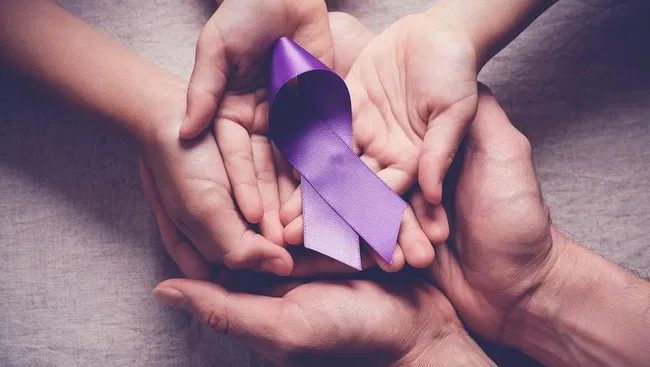
A dull ache under the ribs. Some back pain. Trousers that feel looser than they did last month. Most people blame a heavy meal or a long week and carry on. World Pancreatic Cancer Day, marked every year on the third Thursday of November, exists partly to challenge that habit.

This year it falls on Thursday 19 November. Here at Bali Sehat, a 24-hour humanitarian clinic in Amed, East Bali, we want to join in. We also want to be straight with you about what a small clinic can and cannot do about this disease.
Why pancreatic cancer is called a silent disease
The pancreas is a gland tucked behind the stomach. It makes the enzymes that digest food and the insulin that controls blood sugar. Because it sits so deep in the body, a small tumour there can grow for a long time without causing anything you would notice.
When symptoms do arrive, they are vague. Many patients are diagnosed only after the cancer has spread. In many countries, only around one in ten people diagnosed are alive five years later, one of the lowest rates of any common cancer. Surgery offers the best chance, but only a minority of patients are well enough for it by the time the diagnosis is made.
Warning signs worth taking seriously
None of these mean you have cancer. Most have ordinary causes. But they should not be left for months:
- Yellow skin or eyes (jaundice), sometimes with dark urine and pale, greasy stools
- Pain in the upper belly that spreads to the back
- Weight loss when you have not changed your diet
- Loss of appetite, feeling full after a few bites, or nausea
- Diabetes that appears suddenly in an older adult, or existing diabetes that becomes hard to control
- Tiredness that does not go away
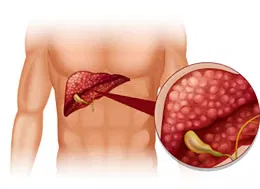
If your skin or eyes turn yellow, do not wait. Jaundice has several causes, and every one of them needs a doctor. The same goes for weight loss that has no explanation.
Who is more at risk
Smoking is the biggest risk factor you can change, and it is common in Indonesia, especially among men. Other risks include long-term diabetes, chronic inflammation of the pancreas, obesity, a family history of pancreatic cancer, and age. Most cases are found in people over 50.
There is no routine screening test for the general public. People with a strong family history can ask a doctor whether specialist monitoring makes sense for them.
Why World Pancreatic Cancer Day matters in East Bali
For a family in a village near Amed, finding out is only the first hurdle. Specialist cancer care, and the scans needed to confirm a diagnosis, are mostly in Denpasar, a few hours away by road. A trip like that means transport money, lost wages and someone to look after the children. So people wait. They wait for the pain to get worse, and with this cancer, weeks matter.
Closing that gap starts with having somewhere close to go at the first sign of trouble.
What Bali Sehat can do, and what we cannot
We do not treat pancreatic cancer. We would rather say that plainly than leave you guessing. What we can do is this:
- Be open when you need us. The clinic runs 24 hours, so worrying symptoms do not have to wait for office hours.
- Examine you and start the work-up. Our doctors take your history, examine you, and can arrange basic blood tests through our on-site medical lab.
- Refer early. If something looks wrong, we point you to a hospital that can investigate further, so you do not lose weeks.
- Keep care within reach. Free check-ups and our Healthy Day outreach sessions bring a doctor to people who would not otherwise make the trip.
In August 2026 we also began offering free cervical and breast cancer screening, because finding cancer early is the one thing that changes outcomes for most types. Free services like these exist because of donors. If you would like to help keep them going, you can donate to Bali Sehat.
Five things you can do this World Pancreatic Cancer Day
- Learn the warning signs above, and tell one person over 50 in your family.
- If you smoke, ask a doctor for help to quit. It is the most useful single step on this list.
- Book a check-up if you notice yellow skin or eyes, or unexplained weight loss.
- If pancreatic cancer runs in your family, tell your doctor.
- Wear purple on 19 November and share this article.

Help us keep free care close to home
Behind each number above is a person who walked in worried about something and was seen. Bali Sehat runs on donations. One of our founders comes from Australia, and much of our support comes from people overseas who have never met the families they help. That trust is what keeps the doors open for underserved communities in East Bali.
Every donation helps us continue providing free healthcare to underserved communities in East Bali.
A monthly gift, even a small one, lets us plan ahead.
Donate to Bali SehatQuestions about symptoms, or worried about someone in your family? Message the clinic on WhatsApp +62 812-3666-9566.
Frequently asked questions
When is World Pancreatic Cancer Day?
It is held on the third Thursday of November each year. In 2026 that is 19 November. Purple is the colour of the campaign.
What are the early warning signs of pancreatic cancer?
Early pancreatic cancer often causes no symptoms. When signs appear they can include yellow skin or eyes, dark urine, pale or greasy stools, upper belly pain that spreads to the back, weight loss with no known reason, loss of appetite, and diabetes that appears suddenly or gets harder to control. Most of these have other causes, but they are worth checking with a doctor.
Is there a screening test for pancreatic cancer?
There is no routine screening test for the general public. People with a strong family history or an inherited gene change can ask a doctor whether specialist monitoring makes sense for them.
Does Bali Sehat treat pancreatic cancer?
No. Bali Sehat is a 24-hour clinic in Amed, East Bali, and does not provide pancreatic cancer treatment. Our doctors can examine patients, arrange basic blood tests through our on-site lab, and refer them to a hospital that can investigate further. Since August 2026 we also offer free cervical and breast cancer screening.
How can I support free healthcare in East Bali?
You can donate once or monthly through our donation page. Donations help Bali Sehat keep providing free health checks and community programs for underserved families in East Bali.
This article is general information, not a diagnosis. If you are worried about your health, please see a doctor.
No responses yet