
Every year on 14 November, health workers, families and patient groups around the world pause to talk about diabetes. The date is the birthday of Frederick Banting, who helped discover insulin in the early 1920s. The International Diabetes Federation and the World Health Organization launched the campaign in 1991, and the United Nations made it an official day in 2006.
The theme for 2026-27 is Early action on diabetes, with the hashtag #ActEarlyOnDiabetes. The message is plain: do not wait for symptoms.
Why Diabetes Is So Easy to Miss
Type 2 diabetes, the most common form, usually develops without obvious symptoms. For many people the first sign is a complication, such as a wound that will not heal or changes in eyesight. The International Diabetes Federation estimates that nearly 590 million adults live with diabetes worldwide, and that the number could reach 853 million by 2050. Roughly four in ten of them do not know they have it. Indonesia is among the countries with the largest numbers of adults living with the condition.
Signs worth getting checked
- Constant thirst or a dry mouth
- Needing to pass urine more often, especially at night
- Tiredness that does not go away with rest
- Blurred vision
- Cuts or sores that heal slowly
- Tingling, burning or numbness in the hands or feet
None of these proves diabetes. Only a blood test can tell.
Living With Diabetes, One Day at a Time
For someone already diagnosed, diabetes is a daily routine, not a single treatment. Some people take tablets. Others need insulin injections. Almost everyone has to watch what they eat, stay active and keep up regular check-ups.
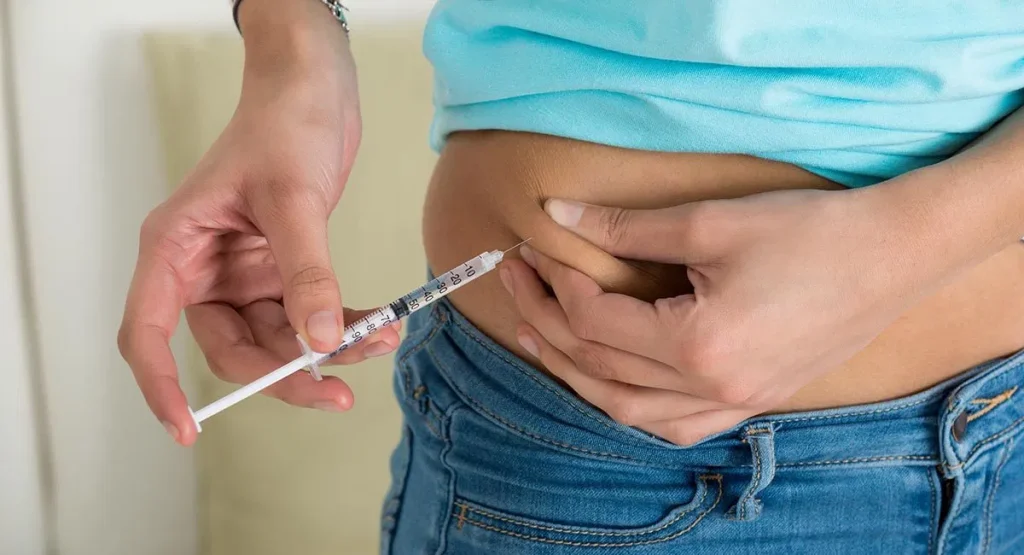
That routine is much harder when medicine costs money, the nearest clinic is far away and every trip means lost wages. This is where good management often breaks down.
Why Feet Need Extra Attention
Years of high blood sugar can damage nerves and blood vessels. Feet are hit first. A person may stop feeling a small blister or cut, and the wound then heals slowly. Left alone, a minor injury can turn into a serious infection.
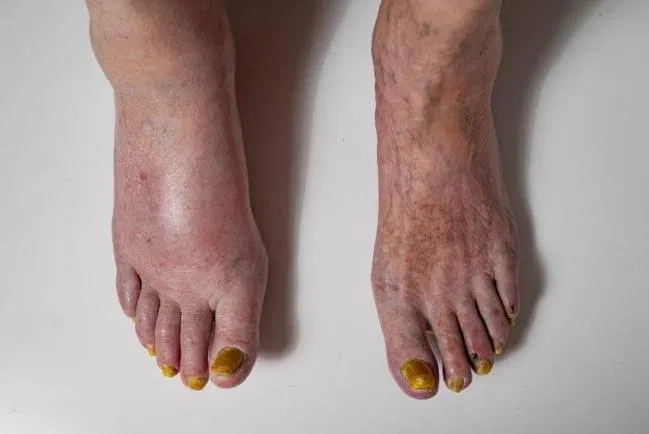
A two-minute daily foot check
- Look at both feet every day: the tops, the soles and between the toes. Ask a family member to help if you cannot see well.
- Check for cuts, blisters, redness, swelling or colour changes.
- Wash gently and dry well, especially between the toes.
- Wear shoes or sandals that fit, and avoid walking barefoot on hot or rough ground.
- If a wound does not improve within a few days, have a health worker look at it.
What This Means for Families in East Bali
In Karangasem, many families live far from hospitals and depend on daily wages. A check-up can mean paying for transport and giving up a day of work. So tests get postponed until something hurts. That delay is exactly what early action is meant to prevent.
How Bali Sehat Helps Catch Problems Early
Bali Sehat is a 24-hour humanitarian clinic in Amed. It combines professional medical care with a mission to serve people who are often left out. Since 2021 the clinic has given free check-ups to more than 43,570 people. Our Healthy Day outreach, held 29 times so far, has reached over 15,396 residents in their own communities. In August 2026 we also began free IVA and breast cancer screening, built on the same idea: find it early, when treatment is simpler.
A basic check-up is often the moment a problem is first noticed, and the start of a conversation with a doctor.
Worried about your own blood sugar? Message our team on WhatsApp at +6281236669566 to ask about a check-up.
How You Can Help
All of this runs on the support of people who believe a family’s health should not depend on what they can pay. Supporters in Australia and around the world have made free check-ups, outreach and screening possible. Every donation helps us reach more families like the fisherman at the start of this story, before a quiet symptom becomes an emergency.
You can give once or set up a monthly gift. You can also read more about our free healthcare programs and the Healthy Day community outreach.
Frequently Asked Questions
World Diabetes Day is held every year on 14 November, the birthday of Frederick Banting, who helped discover insulin in the early 1920s. The campaign was started in 1991 by the International Diabetes Federation and the World Health Organization, and it became an official United Nations day in 2006.
The theme is Early action on diabetes, with the hashtag #ActEarlyOnDiabetes. The message is to get tested and act before symptoms or complications appear.
Common signs include constant thirst, passing urine often, tiredness, blurred vision, wounds that heal slowly and tingling or numb feet. Type 2 diabetes can also cause no clear symptoms at all, so only a blood test can confirm it.
For many people, yes. Staying active, eating a balanced diet and keeping a healthy weight can prevent or delay type 2 diabetes. Regular check-ups help find high blood sugar early, when it is easier to manage.
You can donate once or monthly through the Bali Sehat donation page at balisehat.org/donation. Donations help keep free check-ups, community outreach and screening programs running for underserved families in Amed and Karangasem.
No responses yet