

- This event has passed.
World Mosquito Day: Prevent DBD & Malaria | Bali Sehat
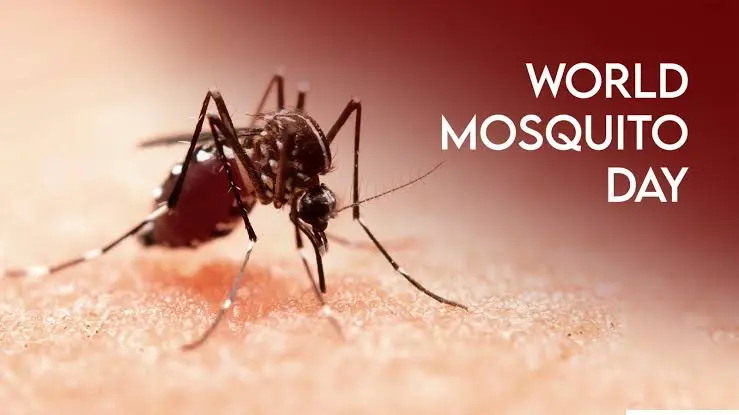
What Is World Mosquito Day?
World Mosquito Day is observed every year on August 20, marking the day in 1897 when Sir Ronald Ross discovered that mosquitoes transmit malaria. Today, the day is used to raise awareness about mosquito-borne diseases more broadly, including dengue fever, which remains one of the most common health concerns in tropical regions like Bali.
For residents, expats, and visitors in Amed and across Karangasem, this is a good moment to review basic mosquito bite prevention and know the warning signs of dengue fever, since early detection makes a real difference in recovery.
Why Mosquito-Borne Illness Matters in Bali
Bali’s tropical climate, with its warm temperatures and rainy seasons, creates favorable conditions for mosquito breeding. Dengue fever (locally known as DBD, or demam berdarah dengue) is transmitted by the Aedes aegypti mosquito and is present year-round in Bali, with cases often rising during and after the rainy season.
Unlike malaria, which is more commonly associated with certain regions of eastern Indonesia, dengue fever is the mosquito-borne illness most relevant to daily life in Bali. Knowing how to prevent bites and recognize symptoms early is one of the most practical things you can do for your health here.
How to Prevent Mosquito Bites

Monitoring your temperature closely is an important step if you suspect dengue fever after a mosquito bite.
- Use mosquito repellent: apply repellent containing DEET or picaridin, especially during dawn and dusk when Aedes mosquitoes are most active.
- Wear protective clothing: long sleeves and pants reduce exposed skin, particularly in gardens or shaded outdoor areas.
- Use mosquito nets: especially useful for sleeping areas without air conditioning or window screens.
- Eliminate standing water: check for stagnant water in flower pots, buckets, gutters, and containers around your home, since this is where mosquitoes breed.
- Install screens: on windows and doors to keep mosquitoes out of living spaces.
- Use mosquito coils or plug-in repellents: particularly helpful in outdoor seating areas in the evening.
Recognizing Dengue Fever Symptoms
Dengue fever symptoms typically appear 4 to 10 days after a bite from an infected mosquito. Common symptoms include:
- Sudden high fever, often above 38.5°C
- Severe headache, particularly behind the eyes
- Muscle, joint, and bone pain
- Skin rash appearing a few days after fever onset
- Nausea and vomiting
- Unusual fatigue
Most dengue cases are mild and resolve with rest, fluids, and monitoring. However, certain warning signs indicate the need for immediate medical attention.
Warning Signs That Need Immediate Attention

Applying mosquito repellent regularly is one of the simplest ways to reduce the risk of dengue fever.
Seek medical care right away if you or someone in your care experiences any of the following, especially as a fever starts to subside:
- Severe abdominal pain or persistent vomiting
- Bleeding from the gums or nose
- Blood in vomit or stool
- Difficulty breathing
- Extreme fatigue, restlessness, or confusion
- Cold, clammy skin
These symptoms can indicate a more serious form of dengue and require prompt evaluation by a doctor.
What to Do If You Suspect Dengue Fever
- Rest and stay hydrated: drink plenty of fluids, including oral rehydration solutions if needed.
- Monitor your temperature: keep track of fever patterns, since dengue often follows a distinct fever curve.
- Avoid certain medications: aspirin and ibuprofen can increase bleeding risk in dengue cases. Paracetamol is generally the safer option for fever, but it’s best to confirm with a doctor.
- See a doctor for testing: a blood test can confirm dengue and check platelet levels, which is important for monitoring the illness.
- Watch for warning signs: especially in the 24 to 48 hours after the fever breaks, which is when complications are most likely to appear.
How Bali Sehat Clinic Can Help
If you’re experiencing fever, body aches, or other symptoms that could indicate dengue, our General Practitioner team can evaluate your symptoms, arrange blood testing, and guide your care and monitoring.
Bali Sehat Clinic is open 24/7, so you can reach out as soon as symptoms appear, day or night. Chat with us on WhatsApp to ask a question or book a consultation.
Frequently Asked Questions
How is dengue fever different from a regular flu?
Dengue tends to cause a higher fever, more severe headache and body aches, and often a rash a few days into the illness. Unlike most flu symptoms, dengue can also involve warning signs like abdominal pain or bleeding that need urgent attention.
Can dengue fever be prevented with a vaccine?
A dengue vaccine exists in some countries, though eligibility and availability vary. The most reliable prevention remains avoiding mosquito bites and eliminating breeding sites. Ask our team for more information on current options.
How long does dengue fever last?
The acute phase typically lasts around 2 to 7 days, though fatigue and recovery can take longer. Most people recover fully with rest and proper monitoring.
Should I go to the emergency room or a regular consultation?
If you only have fever and body aches without any warning signs, a General Practitioner consultation is a good first step. If you notice bleeding, severe abdominal pain, difficulty breathing, or confusion, seek emergency care immediately.
Get in Touch
If you’re concerned about fever or symptoms of dengue fever, don’t wait it out. Reach out to Bali Sehat Clinic’s General Practitioner service. Our team is here to help, available 24/7.
💬 Chat with Bali Sehat Clinic on WhatsApp
Open 24 hours a day, 7 days a week