
Loading Events

« All Events

  • This event has passed.

Indonesian Red Cross Day: PMI and Bali Sehat’s Shared Mission

September 17 @ 8:00 am - 5:00 pm
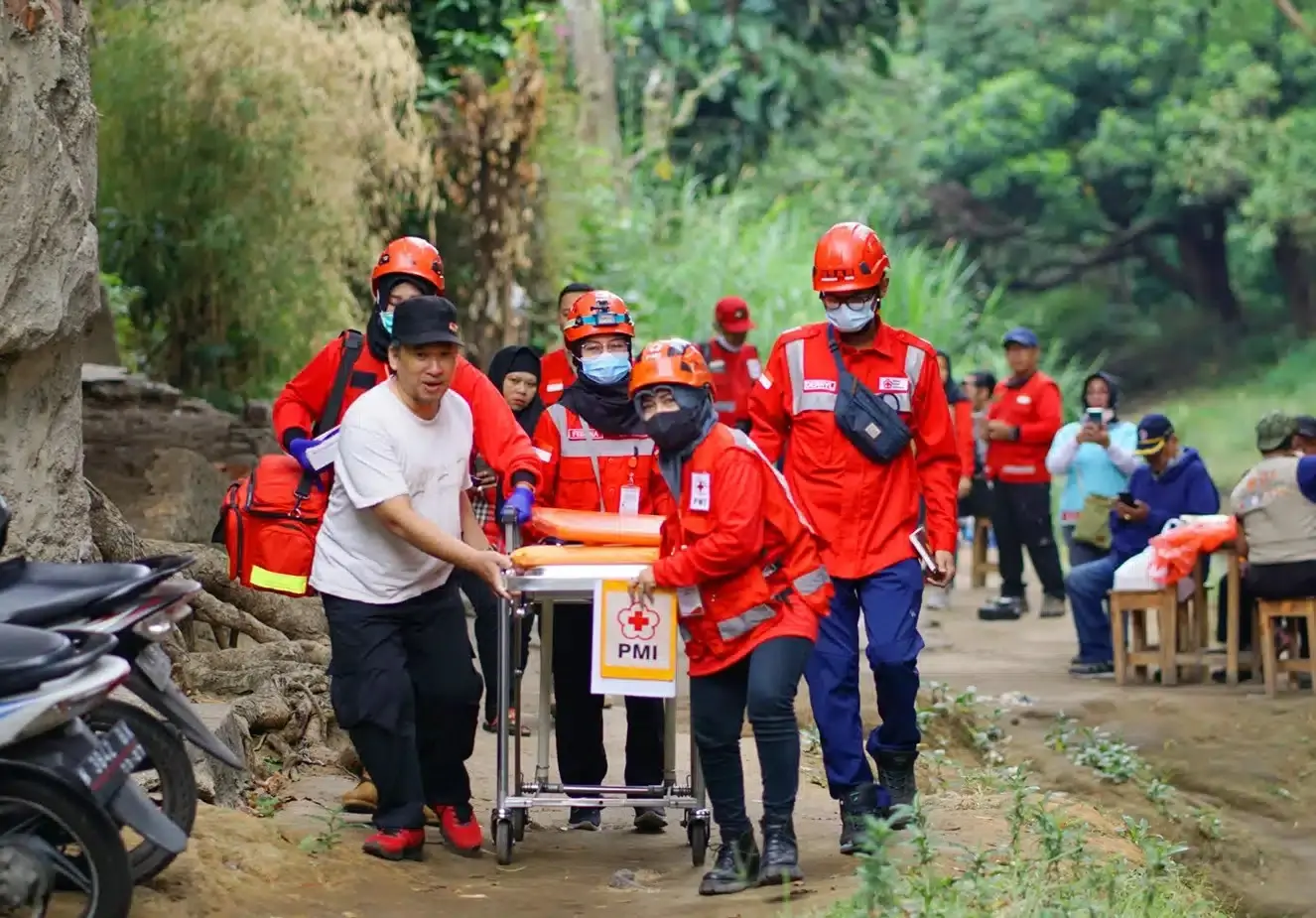
PMI volunteers carrying a patient on a stretcher along a forest path in Karangasem, East Bali

Racing Against Time in East Bali: PMI and Bali Sehat’s Shared Mission

In the hills above Amed, a stretcher moves slowly down a dirt path. Four volunteers in red helmets guide it over loose stones and tree roots, careful with every step. There is no smooth road here, only the terrain, and whatever the team can carry on foot. A few minutes later, the patient is lifted into a waiting ambulance and the doors close. For the people who live in these remote pockets of Karangasem, this is what emergency care looks like.
Every September 17, Indonesia observes Hari Palang Merah Indonesia, the day the Indonesian Red Cross (PMI) was founded in 1945. It is a day to recognize the volunteers who respond to disasters, manage blood donation drives, and reach communities that ambulances alone cannot easily get to. In East Bali, where many villages sit far from the nearest hospital and roads can be steep or unpaved, that kind of reach is not a convenience. It is often the difference between life and death.

Why Distance Still Decides Outcomes in Karangasem

Karangasem remains one of the areas in Bali with the highest rates of maternal and infant complications, a large part of it tied to how far families live from adequate care. A fever that turns serious, a difficult birth, an accident on a mountain trail: these situations do not wait for good roads. They need people willing to walk in, carry someone out, and get them to help fast.
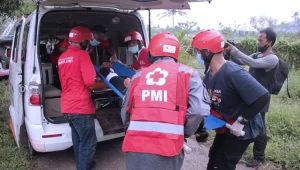
PMI volunteers transferring a patient on a stretcher into an ambulance in East Bali

The final stretch: PMI volunteers move a patient into an ambulance after an evacuation in East Bali.

This is the same reality that shaped Bali Sehat’s own work. The clinic was built on the idea that healthcare should not depend on how close a family lives to a paved road or how much they can pay. Bali Sehat runs free medical checkups, a free maternity program, and community outreach days that bring care directly into villages, rather than waiting for patients to find their own way to a clinic.

A Shared Spirit, Even Without a Shared Uniform

Bali Sehat is not part of PMI, and this article is not a claim of formal partnership. But on Hari Palang Merah Indonesia, it is worth naming what the two efforts have in common: showing up for people who would otherwise be left waiting. Since 2021, Bali Sehat’s Healthy Day outreach has reached more than 15,396 people across 29 community sessions. The clinic’s free health checkups have supported over 43,570 patients since the same year. Since 2024, the free maternity program has helped 9 mothers give birth safely, directly addressing the high maternal and infant mortality rates that Karangasem continues to face.None of these numbers move on their own. They exist because people, whether in a red PMI helmet or a Bali Sehat uniform, chose to go where the need was, instead of waiting for the need to come to them.

What Hari Palang Merah Indonesia Asks of the Rest of Us

Not everyone can walk a stretcher down a mountain trail. But the underlying question PMI’s work raises applies just as much to healthcare access: what happens to people in hard-to-reach places if no one commits to reaching them? For families in remote parts of East Bali, that commitment currently comes from a small number of organizations, clinics, and volunteer networks stretched across a wide and difficult terrain.Bali Sehat continues that work every week, largely funded by donors who may never see the villages their support reaches. A contribution toward Bali Sehat’s programs helps keep free checkups, maternity care, and community outreach running for families like the ones these PMI volunteers carried to safety.Support Bali Sehat’s work in East Bali and help make sure that distance from a hospital never has to decide someone’s outcome.